

MIKATENSITY LEADERSHIP LESSONS
Real lessons by Mika from his own journey.
Insights on leadership, resilience, sportsmanship, discipline, confidence, and growth learned through international competition and life experiences.
MIKATENSITY FEATURED POST
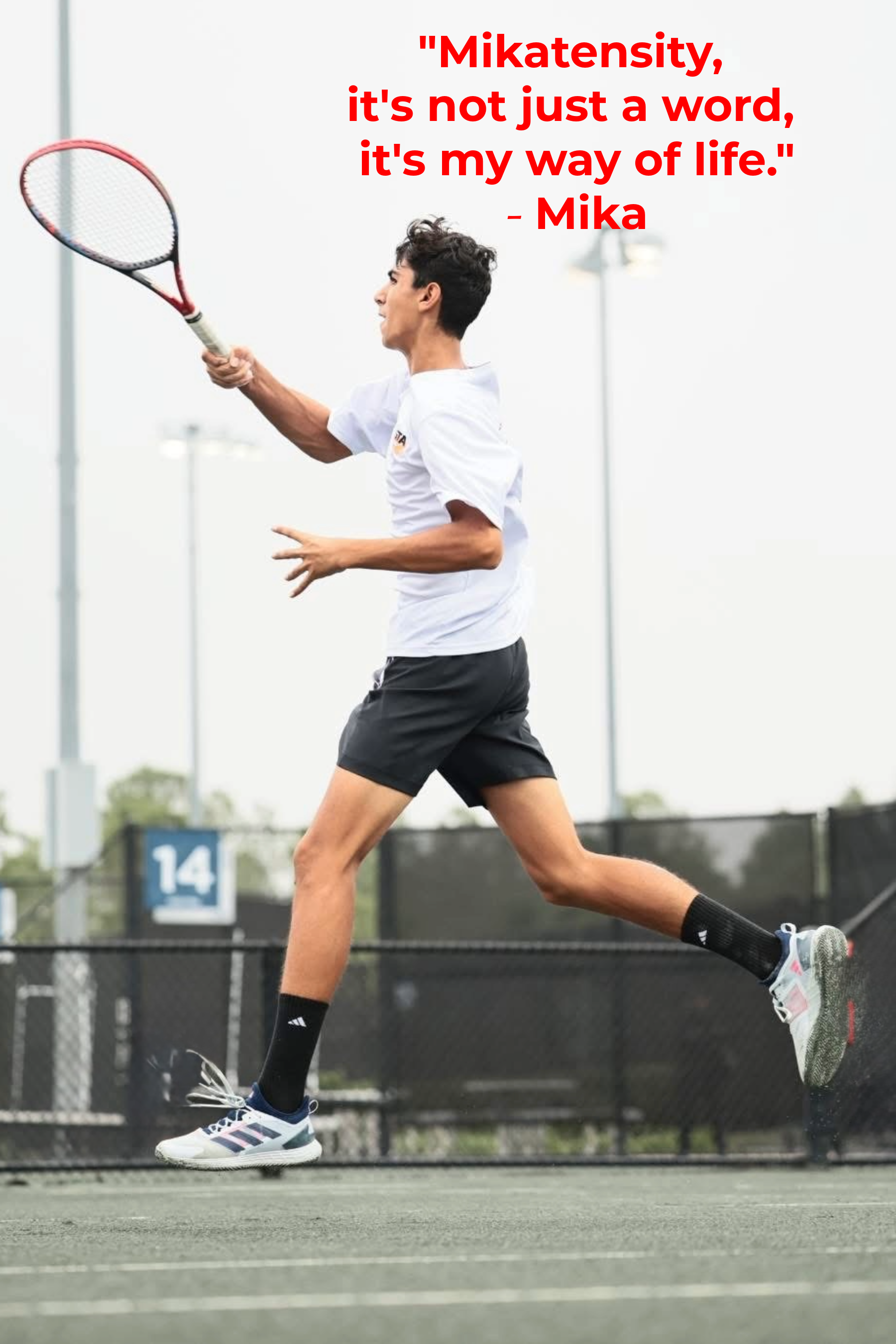
The Champion Mindset: Winning Beyond the Scoreboard
When most people hear the word champion, they think about trophies.
Winning the final.
Holding up a title.
Standing on the podium.
Those moments are exciting.
I've dreamed about them since I first picked up a tennis racket.
But as I've grown as both an athlete and a person, I've realized something.
A champion is defined by much more than what happens on the scoreboard.
The scoreboard tells you who won a match.
It doesn't tell you who showed character.
Lead by Example
When I was younger, I spent a lot of time watching older players.
I watched how they warmed up.
How they competed.
How they reacted after losing a point.
How they treated officials.
How they spoke to their parents and coaches.
At the time, I didn't realize it.
But I was learning about leadership.
Not because anyone was teaching me.
Because I was watching.
That's something I've come to appreciate even more as I've gotten older.
Whether we realize it or not, people are always watching.
Building Trust Before Giving Advice
Have you ever received advice from someone you barely knew?
Maybe it was good advice.
Maybe it wasn't.
Either way, it's often difficult to accept guidance from someone you don't trust.
That's one of the biggest lessons I've learned through sports and leadership:
People are more likely to accept advice when they trust the person giving it.
Before you can influence someone, you have to earn their trust.
And trust isn't built through words.
It's built through actions.
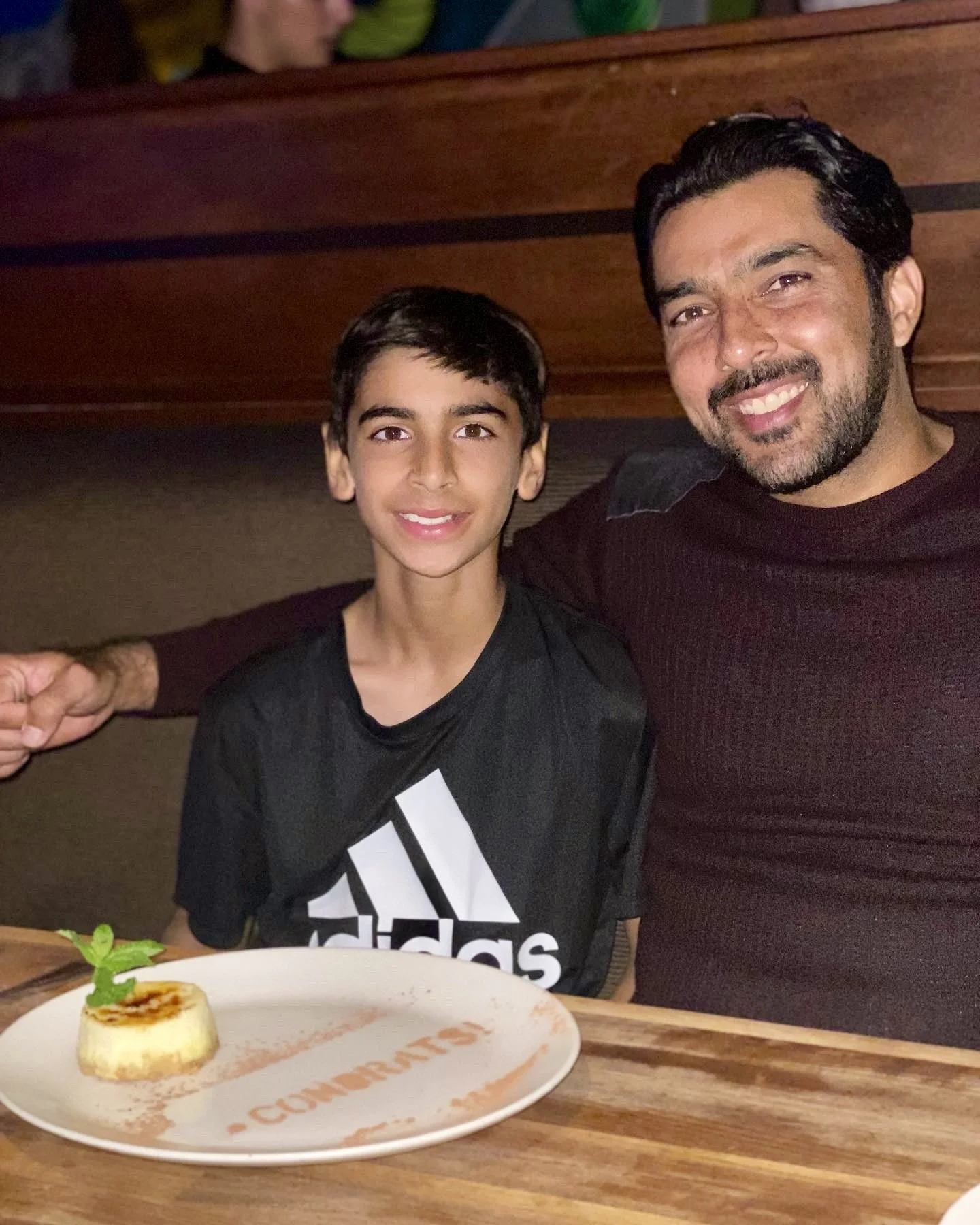
Why Every Athlete Needs a Mentor
Every athlete needs a coach.
But I believe every athlete also needs a mentor.
At first, I thought those two roles were the same.
Over time, I realized they're very different.
A coach helps you improve your game.
A mentor helps you grow as a person.
Both are important.
But some of the most valuable lessons I've learned didn't happen during practice.
They happened through conversations.
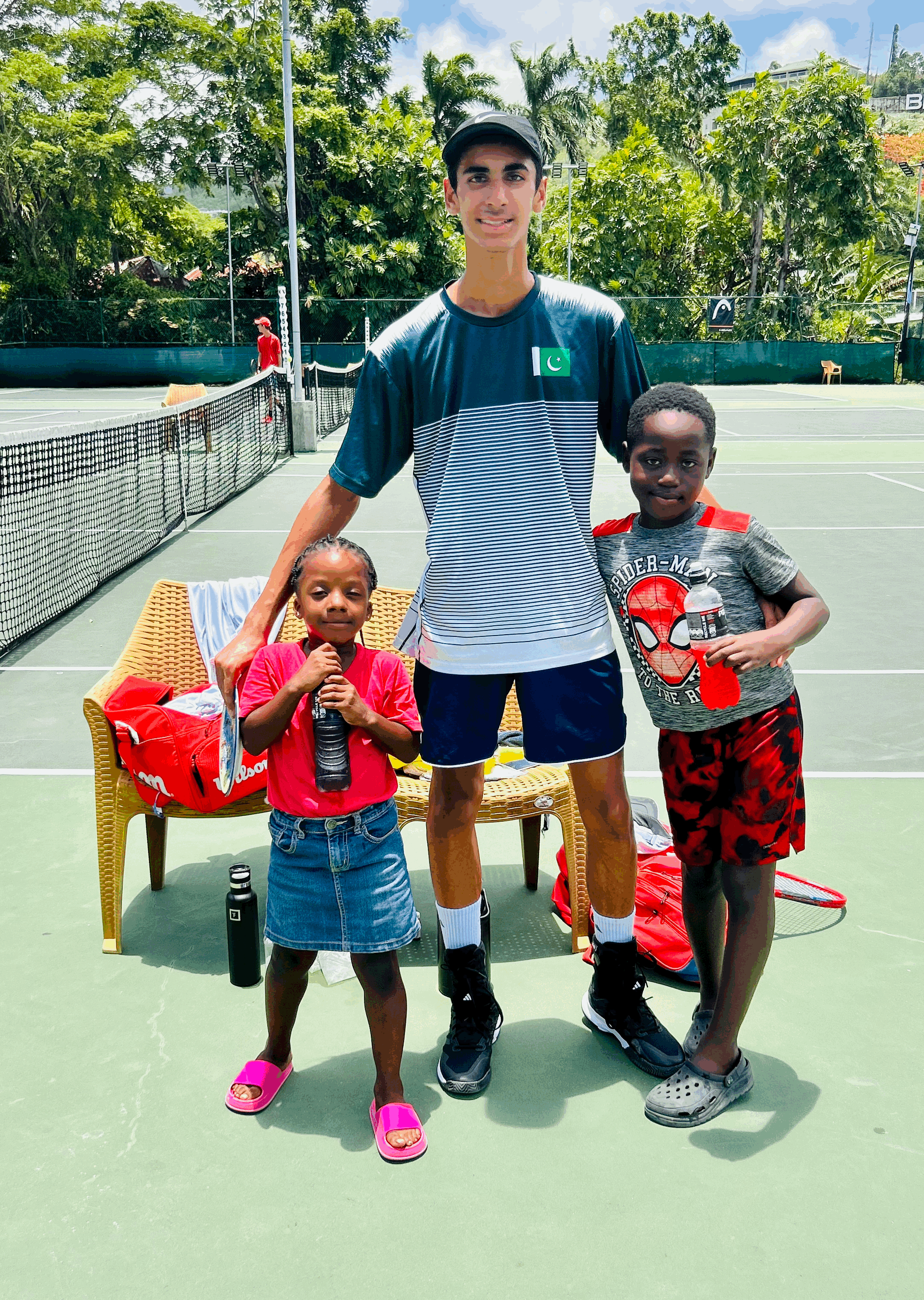
Leadership Starts With Serving Others
When people hear the word leader, they often picture someone standing in front of a group, giving instructions or making important decisions.
For a long time, I thought leadership looked something like that too.
But through tennis, representing Pakistan, learning from great mentors, and beginning to mentor younger athletes myself, I've come to realize something different.
Leadership doesn't start with being in charge.
Leadership starts with serving others.
Focus on What You Can Control
One of the biggest mistakes we make is worrying about things we can't control.
Athletes worry about rankings.
Students worry about grades before taking the test.
People worry about what others think.
We spend so much energy on things outside our control that we forget to focus on the things that actually move us forward.
Tennis has taught me one of the most valuable lessons of my life:
Control the controllables.

Discipline Beats Motivation
Everyone loves motivation.
Motational videos.
Motivational quotes.
Motivational speeches.
They make us feel energized and inspired.
The problem is that motivation doesn't last.
Some days you'll wake up excited to chase your goals.
Other days you won't.
Some days you'll feel unstoppable.
Other days you'll feel tired, frustrated, or distracted.
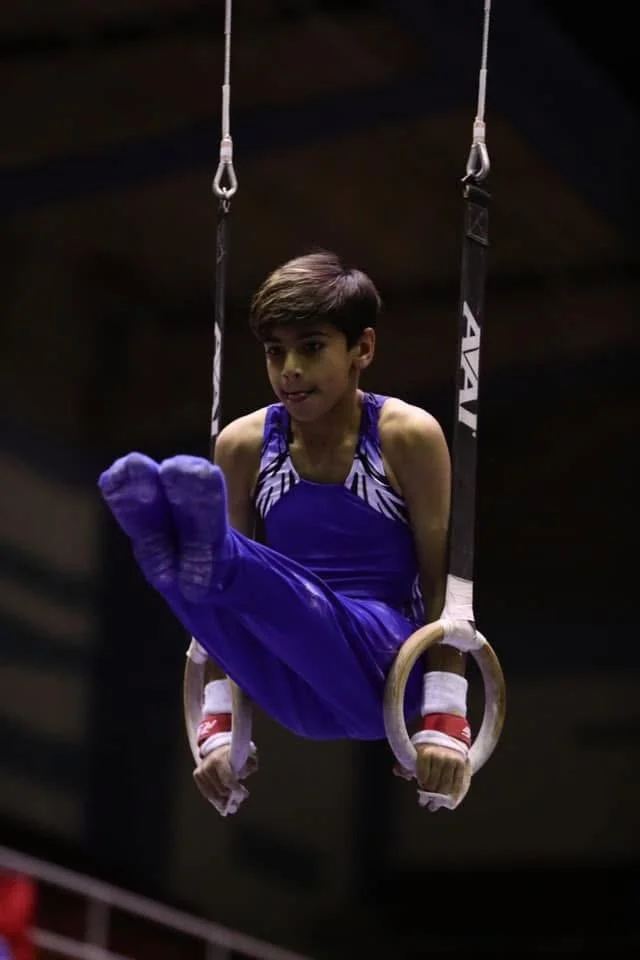
Confidence is Earned
One of the questions I hear most often from young athletes is: "How do I become more confident?"
It's a great question.
But I think many people are asking the wrong version of it. Even I was when I first started on this journey.
Like most, I too assumed confidence is something you find.
Something you're born with.
Something you either have or don't have.
Over the years, I've learned something different: Confidence is earned.

Setting Process Goals
Most people set goals the wrong way.
They focus on outcomes.
Win the tournament.
Get the scholarship.
Become number one.
Earn straight A's.
Make the team.
There's nothing wrong with having big goals.
In fact, I believe everyone should have them.
The problem is that outcome goals are often outside of our control.
You can play the best tennis match of your life and still lose.
You can study hard and face an unexpectedly difficult test.
You can do everything right and still fall short of a specific result.
That's why I've learned that the most effective goals are not outcome goals.
They're process goals.
Dream Big, Plan Small
Every great achievement begins with a dream.
Before winning championships, athletes dream of standing on the podium.
Before starting successful businesses, entrepreneurs dream of creating something meaningful.
Before becoming leaders, people imagine making a difference in the lives of others.
Dreams are powerful.
They inspire us.
They motivate us.
They give us direction.
But dreams alone are not enough.
One of the most important lessons I've learned on my journey is this:
Dream big, but plan small.
Be Better Than Yesterday
If I could share one lesson that has shaped my journey more than any other, it would be this:
Be Better Than Yesterday.
Not better than your teammate.
Not better than your opponent.
Not better than someone on social media.
Better than the person you were yesterday.
In a world that constantly encourages comparison, this mindset has helped me stay focused on what truly matters: growth.
Why Character Matters More Than Rankings
As athletes, we spend a lot of time thinking about rankings.
We check them after tournaments.
We celebrate when they go up.
We get frustrated when they go down.
Rankings can open doors, create opportunities, and measure progress.
But over time, I've learned an important truth:
Your ranking may determine where you compete.
Your character determines where you go in life.

Learning from Defeat
Nobody likes losing.
Athletes train to win. Students study to earn good grades. Leaders work hard to achieve their goals. Success feels good because it validates our effort and sacrifices.
But over the years, I've learned something surprising:
Some of my greatest lessons didn't come from victory.
They came from defeat.
What Junior Davis Cup Taught Me About Leadership
Most people think leadership is about giving speeches, making decisions, or being the loudest voice in the room.
Junior Davis Cup taught me something different.
Leadership is about showing up when things are difficult.
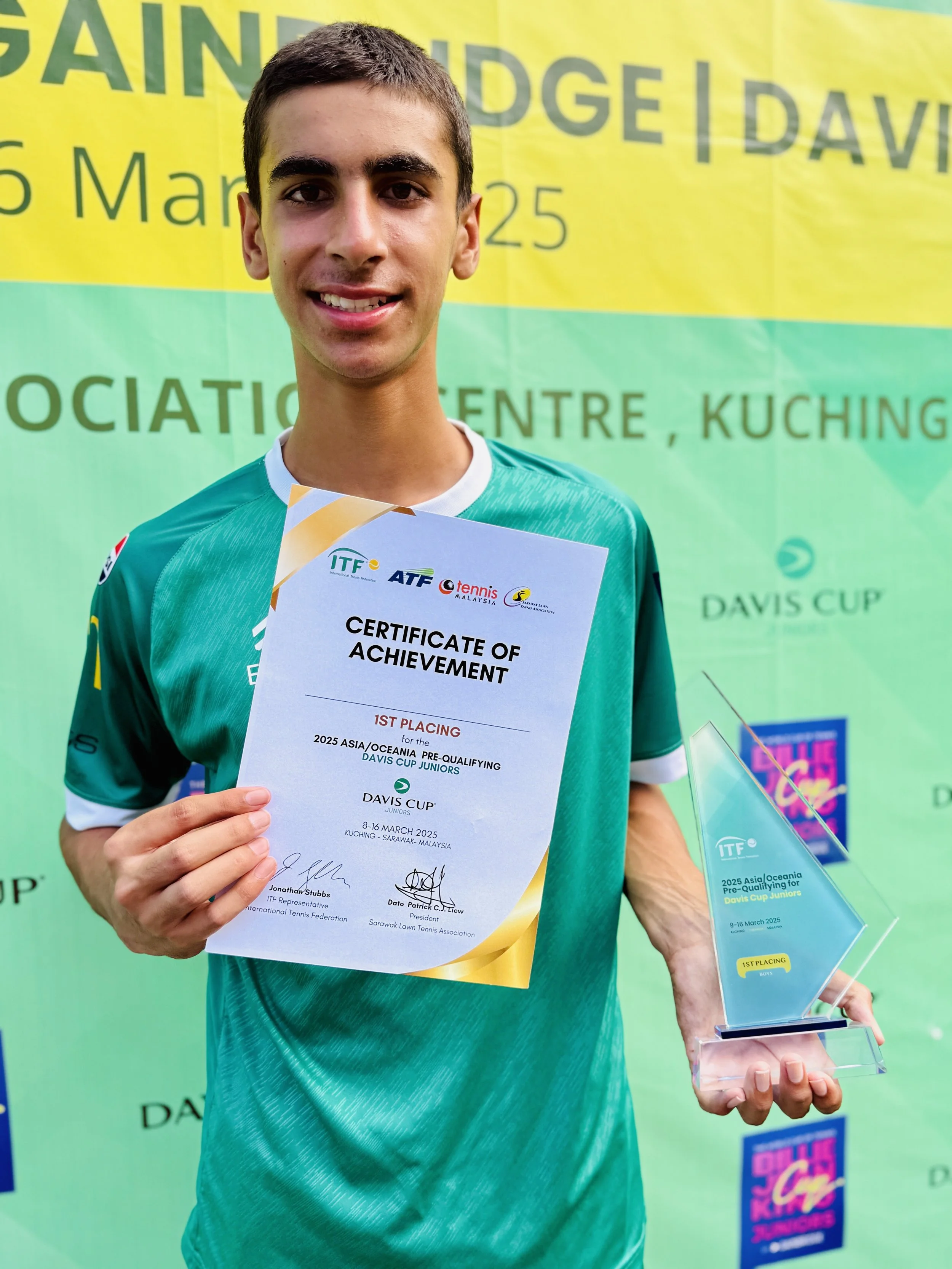
In March 2025, I had the honor of representing Pakistan at the Junior Davis Cup Asia/Oceania Pre-Qualifying event in Malaysia.
What is Mikatensity?
People often ask me one question:
"What exactly is Mikatensity?"
The answer is simple.
Mikatensity is a mindset.
It's the belief that success isn't determined by talent alone. It's built through daily choices, consistent effort, and the commitment to become better than yesterday.